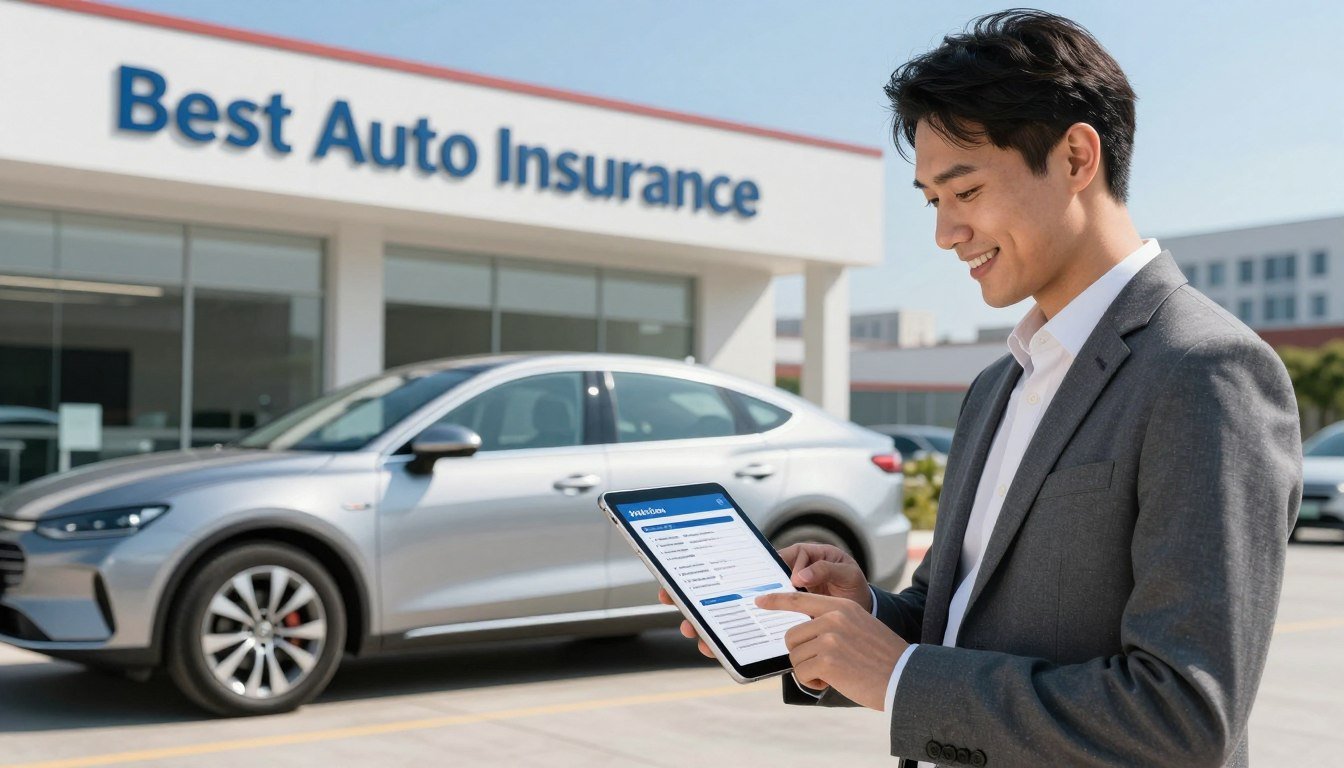
Driving in America needs more than a license and a good car. You also need to protect your money from accidents or legal issues. Getting the Best Auto Insurance is key to keeping your savings safe from big repair and legal costs.
The market today has many providers and plans, making it hard to choose. This guide helps you understand different coverages and what affects your costs. Making an informed choice lets you find the right balance between safety and your budget.
Knowing how rates are set can help you save money. We’ll show you how to compare prices and find the right coverage for you.
Key Takeaways
- Prioritize financial security to protect your personal assets while driving.
- Compare multiple providers to find competitive rates in your area.
- Understand how your driving history impacts your monthly premiums.
- Balance essential coverage limits with your current financial budget.
- Use smart strategies to reduce costs without sacrificing necessary protection.
Understanding Auto Insurance Basics
Every driver in the United States must navigate a unique landscape of insurance regulations and financial obligations. Grasping the fundamental components of a policy is the first step toward securing reliable protection for your vehicle and your assets.
Mandatory Coverage Requirements by State
Each state has its own laws about the insurance drivers must carry. This state minimum insurance is the legal minimum you need to drive on public roads.
These requirements vary a lot across the country. Some states only require basic liability coverage, while others need more, like personal injury protection or uninsured motorist coverage. Always verify your local regulations to make sure you’re following the law.
The Role of Deductibles and Premiums
Your policy costs are mainly based on how much coverage you have and how much you pay upfront. Insurance deductibles are the amount you pay before your insurance kicks in.
Choosing a higher deductible can lower your insurance premiums. This means you take on more financial risk. On the other hand, a lower deductible means you pay less upfront but more each month.
When looking for insurance, it’s smart to get several car insurance quotes. This way, you can see how different deductibles affect your costs. Finding the right balance helps you budget while keeping you protected on the road.
Factors That Influence Your Insurance Premiums
Many drivers are surprised by how personal factors affect their insurance costs. Insurance companies look at many data points to guess if you’ll make a claim. Knowing these factors can help you lower your costs.
Driving Record and Claims History
Your driving history is key in determining your insurance rates. A clean driving record insurance history means you’re a safe driver. But, if you’ve had accidents or tickets, your rates might go up.
Insurance companies check how often and how severe your claims are. If you’ve filed many claims, they might see you as a higher risk. Keeping a clean record can help you get cheap auto insurance in the long run.
Vehicle Make, Model, and Safety Features
The car you drive affects your insurance rates. Insurers look at repair costs, theft risk, and how easy it is to fix. Cars with safety features like automatic emergency braking can lower your risk.
Driving a car with advanced safety features can lead to lower rates. These features help prevent accidents, saving you and the insurer money. Choosing a car with high safety ratings can help lower your monthly costs.
Credit Score Impact on Insurance Rates
In many places, your credit score is part of your risk profile. The insurance credit score impact is often not well understood. But, it’s a key factor for many big insurance companies.
People with better credit scores tend to file fewer claims. So, having good credit can help you get better insurance rates. If you’re looking for cheap auto insurance, improving your credit score can help. Knowing how your credit score affects your insurance can show why it’s seen as a sign of responsibility.
How to Find the Best Auto Insurance Deals
Finding affordable car insurance is a goal for many drivers. It’s important to know where to look. By being proactive, you can find savings that many miss. The market is competitive, with providers often changing rates to attract new customers.
Utilizing Online Comparison Tools
Start by using online comparison tools. These platforms let you input your info once and get Car insurance quotes from many providers at once. This saves time and gives you a clear view of the market.
Make sure to enter accurate info about your driving and vehicle. Even small mistakes can affect price estimates. Experts suggest checking at least three sources to understand your options fully.
Bundling Policies for Maximum Savings
Lowering your premiums can be done through Insurance bundling. Many big carriers give big Auto insurance discounts when you bundle car insurance with other policies. This can save you money and simplify your finances.
“Consolidating your insurance policies under one roof is often the smartest financial move a household can make to reduce annual expenses.”
Before bundling, check if it’s cheaper than buying separate policies. Sometimes, a specialized provider might offer a better rate for your vehicle type, even without bundling.
Evaluating Customer Service and Claim Satisfaction
Price is important, but it’s not the only thing to consider. The company’s reputation for Insurance claim satisfaction is crucial. A cheap policy can cost more in stress and time if the company is hard to work with during emergencies.
Look for these signs of a reliable insurer:
- High ratings from independent financial strength agencies.
- Positive feedback on the speed of the claims process.
- 24/7 customer support via phone or mobile app.
The Best Auto Insurance balances a fair price with peace of mind. Always prioritize quality service alongside your search for savings.
Top Rated Insurance Providers in the United States
Choosing the right coverage means looking at the top rated insurance companies in the U.S. The best auto insurance balances cost, reliability, and lifestyle features.
Geico and Their Competitive Pricing Models
Geico is known for its streamlined operations and direct sales. They keep costs low, saving you money.
Many choose Geico for their highly competitive pricing models. They offer discounts like:
- Multi-policy discounts for bundling home and auto.
- Safety equipment savings for vehicles with advanced features.
- Good driver discounts for those with a clean history.
State Farm and Local Agent Accessibility
State Farm offers a personal touch. They focus on insurance agent accessibility, ensuring you have a dedicated agent.
This personal service leads to high insurance claim satisfaction. Having a local office nearby makes filing claims easier during stressful times.
Progressive and the Snapshot Program
Progressive is known for technological innovation in insurance. They offer data-driven insights to modern drivers.
Their Snapshot program tracks your driving habits. You earn discounts based on your performance.
Comparing Coverage Types and Policy Limits
Understanding auto insurance coverage is key to protecting your financial future. Many see their policy as just a legal formality. But it’s really a safety net for unexpected road incidents.
Liability Coverage Explained
Liability insurance is the base of most policies in the U.S. It covers damages or injuries you cause to others and their property in an accident.
This coverage has two parts: bodily injury and property damage. Bodily injury covers medical costs for others. Property damage pays for repairs to the other driver’s vehicle or structures.
Collision and Comprehensive Protection
Liability covers others, but collision and comprehensive car insurance protect your vehicle. Collision pays for repairs if you hit something, no matter who’s at fault.
Comprehensive covers non-collision damage like theft, vandalism, or natural disasters. Having both ensures you won’t face huge repair bills alone after an accident.
Uninsured and Underinsured Motorist Coverage
Many drivers lack enough insurance to cover damages they cause. Uninsured and Underinsured motorist coverage helps when the at-fault driver can’t pay for your damages.
Without this, you might have to pay for repairs or medical bills yourself. It gives you peace of mind knowing your finances are safe, even if others aren’t insured.
| Coverage Type | Primary Purpose | Protects Whom? |
|---|---|---|
| Liability | Damages caused to others | Other parties |
| Collision | Accidents with objects/cars | Your vehicle |
| Comprehensive | Theft, fire, weather | Your vehicle |
| Uninsured/Underinsured | Drivers without insurance | You and your passengers |
Strategies for Lowering Your Monthly Payments
Lowering your monthly insurance bill is easier than you think. Just make a few simple changes to your policy and driving habits. This way, you can save money while still being protected on the road. Many providers offer ways to save if you know where to look.
Taking Advantage of Defensive Driving Discounts
One great way to lower your rates is by taking a defensive driving course. Insurance companies see these courses as a sign of your commitment to safety. Completing a course can get you big auto insurance discounts that lower your premium.
These classes teach you to spot hazards and react fast. You become a safer driver and show your insurer you’re a lower risk. It’s a smart investment that saves you money in the long run.
Adjusting Coverage for Older Vehicles
If you drive an older car, it’s time to rethink your policy. Many drivers pay too much for coverage on cars that aren’t worth much anymore. If your premiums are more than your car’s value, you might be overpaying.
Think about dropping comprehensive and collision coverage for an older car. This can help you get cheap auto insurance. But make sure you still meet your state’s minimum liability requirements. This way, you save money without breaking the law.
Maintaining a Clean Driving Record
Your driving history is key to your rates. Driving record insurance has a big impact, as insurers reward safe drivers. Keeping your record clean means you qualify for better rates.
Here are tips to keep your record clean:
- Always follow speed limits and traffic signals.
- Keep your phone away to avoid distracted driving.
- Stay up to date on local traffic laws to avoid mistakes.
By focusing on a clean record, you keep your insurance costs down. Staying alert is the best way to save money and keep your coverage strong.
Avoiding Common Pitfalls When Buying Insurance
Finding the right insurance is more than just looking for the cheapest price. Many people only look at the cost, missing out on Insurance policy pitfalls that could hurt their finances. By being proactive, you can make sure your Auto insurance coverage really protects you in emergencies.
The Dangers of Underinsuring Your Vehicle
Choosing the minimum coverage required by law is a common mistake. It might save you money each month, but it leaves you exposed in serious accidents. If the accident costs more than your policy, you could end up paying the difference yourself.
This could lead to losing your personal belongings or getting into debt. It’s crucial to think about your total wealth and pick coverage that gives you true peace of mind, not just meets the state’s minimum.
Ignoring Fine Print in Policy Documents
Many people skip over the fine print, missing important details about what’s not covered. These documents tell you exactly what your policy does and doesn’t cover. Not paying attention to these details can lead to Insurance policy pitfalls when you try to make a claim.
Always check your policy for details on things like rental car reimbursement, roadside help, or coverage for special parts. Knowing the details of your Auto insurance coverage helps you avoid surprises. Being careful now can save you from headaches and unexpected costs later.
Conclusion
Finding the right auto insurance is all about finding a balance. You now have the tools to compare what Geico, State Farm, and Progressive offer. This helps you choose what’s best for you.
Smart drivers look beyond just saving money. They see their policy as something that needs to grow with them. Changes like moving or getting a new car can change your risk level.
Make it a habit to check your coverage every six months. This keeps your insurance up to date with your life and finances. It gives you peace of mind knowing you’re making smart choices.
Start making smart choices for your driving future today. Use what you’ve learned to find the best deal for your lifestyle. Your careful planning will protect your car and wallet for years.